


What Is a Paddy Straw Cutter?
A Paddy Straw Cutter is an agricultural straw-cutting machine mainly used to chop rice straw, wheat straw, corn stalks, forage grass, and other crop residues. It is commonly used for agricultural straw processing and feed production.
The machine can be equipped with various power sources, including electric motors and diesel engines. Through a high-speed cutting mechanism, it cuts long, whole crop stalks into evenly sized pieces to meet subsequent processing requirements.
Basic straw cutters provide only cutting functions, while upgraded models also feature a shredding function that tears, softens, and splits tough straw fibers, making the material finer and more fluffy.
The machine is widely used for feed processing on livestock farms, silage production, and crop straw recycling and processing. Straw processed by cutting and shredding is softer and more suitable for feed mixing, storage, feeding, and livestock digestion and absorption. For coarse, tough materials such as rice straw, the cutting length can be flexibly adjusted to suit different applications and processing requirements.

How Does A Paddy Straw Cutter Work?
The basic working process of a Paddy Straw Cutter can be divided into:
Feeding → Conveying/Compression → Cutting → Shredding or Crushing (Optional) → Discharge
1. Material Feeding
Rice straw, forage grass, corn stalks, and other materials enter the machine through the feed inlet. For models equipped with an automatic feeding system, the conveying mechanism continuously feeds the material into the cutting chamber, improving feeding stability.
2. Material Compression and Conveying
Some straw cutters use compression rollers or feeding rollers to grip and convey the material, allowing it to enter the cutting area at a relatively stable speed.
3. High-Speed Cutting
The electric motor or diesel engine drives the main shaft and cutter disc to rotate at high speed through the transmission system. The blades work together with the stationary knife to cut the straw into the preset length.
4. Shredding or Crushing
For a straw cutter and shredder, the material passes through the shredding mechanism after cutting, further loosening and softening the straw fibers. Some multifunctional models can also be equipped with a crushing function to produce finer material.
5. Discharge
The processed material is discharged through the outlet and can be directly collected or bagged, or sent to subsequent feed mixing or silage processing.
What Are the Uses of a Paddy Straw Cutter?
The main applications of a Paddy Straw Cutter are not limited to rice straw. Depending on the machine model and configuration, it can also process various green or dry plant materials.
Rice Straw Processing
It cuts long rice straw into shorter pieces, making it easier for subsequent collection, transportation, feed processing, or other uses.
01
Livestock Feed Processing
It can process forage, straw, and other roughage used for cattle, sheep, horses, and other ruminants.
02
Silage Processing
For forage, corn stalks, and other materials intended for silage, an appropriate cutting length facilitates subsequent compaction and fermentation.
03
Corn Stalk and Wheat Straw Processing
In addition to paddy straw, the machine can process materials such as corn stalks, wheat straw, hay, and grass, depending on its design.
04
Crop Straw Processing
For straw that is not directly used as feed, it can be cut, shredded, or crushed according to the intended application.
05
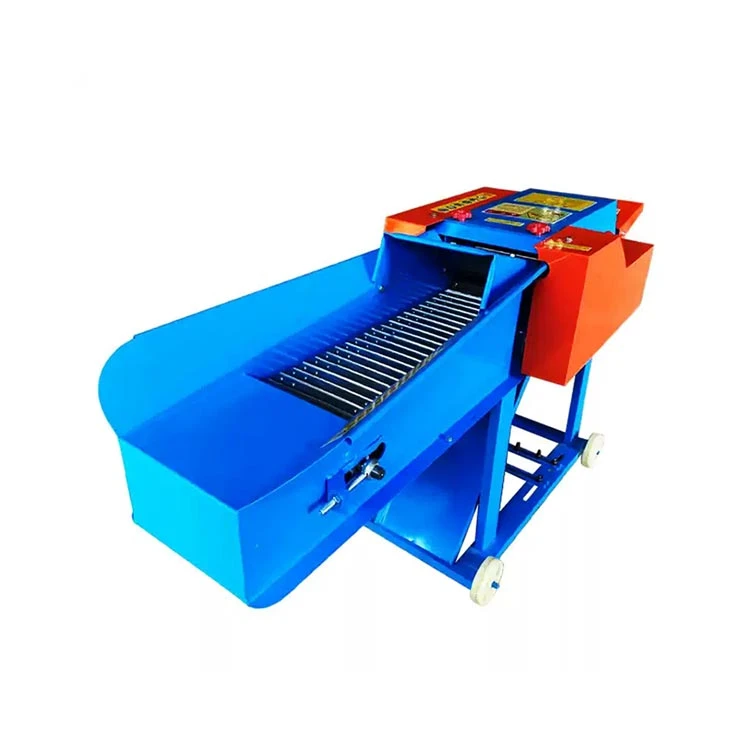

What Are the Types of Paddy Straw Cutters?
1. Chaff Cutter
The main function is to cut long straw, forage, and other materials into a specified length. It is suitable for users who require high cutting efficiency and precise cutting lengths.
2. Chaff Cutter and Kneader
A kneading function is added to the cutting process. After cutting, the material is further kneaded, making the straw fibers looser and softer, which is more suitable for certain livestock feed processing applications.
3. Chaff Cutter and Crusher / Chaff Cutter, Kneader and Crusher
A crushing function is added to cutting and kneading, allowing further processing of straw, forage, and some other agricultural materials.
4. Chaff Cutters with Different Power Sources
Depending on the power source, the machine can be configured with:
Electric motor drive
Diesel engine drive
Gasoline engine drive
The actual power configuration should be selected based on local power conditions, the application, and the required machine capacity.
What Are the Advantages of Using a Paddy Straw Cutter?
1,Improve Straw Processing Efficiency
Mechanized cutting reduces the workload of manually processing straw with sickles and other tools, improving continuous processing efficiency.
2,Achieve More Consistent Cutting Lengths
By adjusting the blades, feeding speed, or related transmission components, different material lengths can be achieved according to actual requirements.
3,Process Various Crop Materials
Suitable machine models can process a variety of materials, including rice straw, corn stalks, wheat straw, forage, and hay.
4,Integrate Cutting and Kneading
A chaff cutter and kneader can further knead the material after cutting, reducing material transfer between machines and repeated processing.
5,Facilitate Subsequent Feed Processing
Properly cut straw is easier to collect, mix, ensile, or process further into feed.
How to Choose the Right Forage Cutter?
When purchasing a straw crusher, six key factors should be considered: processing material, capacity requirements, cutting specifications, functional requirements, power type, and operating conditions. Matching these factors to your specific application helps you select the right machine. The key selection points are as follows:
1. Select the Machine Based on the Processing Material
Different materials vary significantly in moisture content, fiber length, hardness, and toughness, resulting in different requirements for the cutting mechanism and blade configuration. First, identify the main material to be processed and select the appropriate machine accordingly.
Rice straw
Corn stalks
Wheat straw
Fresh grass and hay
Silage
For example, high-moisture silage materials are prone to sticking and require an anti-wrapping cutting mechanism, while dry, hard straw places higher demands on blade wear resistance and requires a suitable machine configuration.
2. Select the Machine Based on Production Capacity
Select the machine based on your daily or hourly material processing volume to avoid excess capacity or insufficient output and match different production scales.
Small-scale individual users and small livestock farms: Low- or medium-capacity models are suitable for daily feed processing in small quantities and offer better cost-effectiveness.
Large-scale livestock farms and professional feed processing plants: High-capacity models designed for continuous operation are preferred for processing large quantities of material continuously and improving production efficiency.
3. Select the Machine Based on Cutting Length Requirements
Different livestock farming applications and feed processing processes have specific requirements for straw cutting length, making this a key factor when selecting a machine.
Fixed-size material: Choose a machine with a fixed cutting length to meet conventional livestock feeding requirements.
Material for multiple applications: Check whether the machine supports adjustable cutting lengths so the size can be flexibly adjusted according to different livestock feeding, feed storage, and further processing requirements.
4. Select the Machine Based on Functional Requirements
Select the machine based on the required processing result, distinguishing between basic cutting and finer shredding functions.
Only need to shorten straw and perform simple crushing: Choose a standard chaff cutter to meet basic feeding requirements.
Need to improve palatability, break down tough fibers, and soften the material: Choose an integrated chaff cutter and kneader. Kneaded straw is easier to digest, has better palatability, and is more suitable for feed fermentation and storage.
5. Select the Machine Based on Available Power Conditions
Select the appropriate power type based on the power supply, outdoor environment, and operating conditions to ensure reliable machine operation.
Fixed workshops and sites with convenient access to electricity: Choose an electric motor-driven model for energy-efficient and quiet operation with low operating and maintenance costs.
Outdoor locations without a fixed power supply and mobile operating conditions: Choose a diesel- or gasoline-powered model for greater adaptability and operation without being limited by the site.
6. Select the Machine Based on Continuous Operating Conditions
If the machine needs to operate continuously for long periods and at high frequency, its stability and durability should be evaluated carefully, with particular attention to the following six key parameters and configurations:
Suitable motor power: Ensures smooth operation under full load without stalling.
Stable main shaft speed: Ensures consistent cutting performance.
Highly wear-resistant blade material: Reduces the cost of frequent blade replacement.
Smooth automatic feeding system: Prevents material jams and blockages.
Effective cooling system: Prevents overheating and shutdown during prolonged operation.
High interchangeability of wear parts and easy maintenance: Reduces the difficulty of subsequent operation and maintenance.
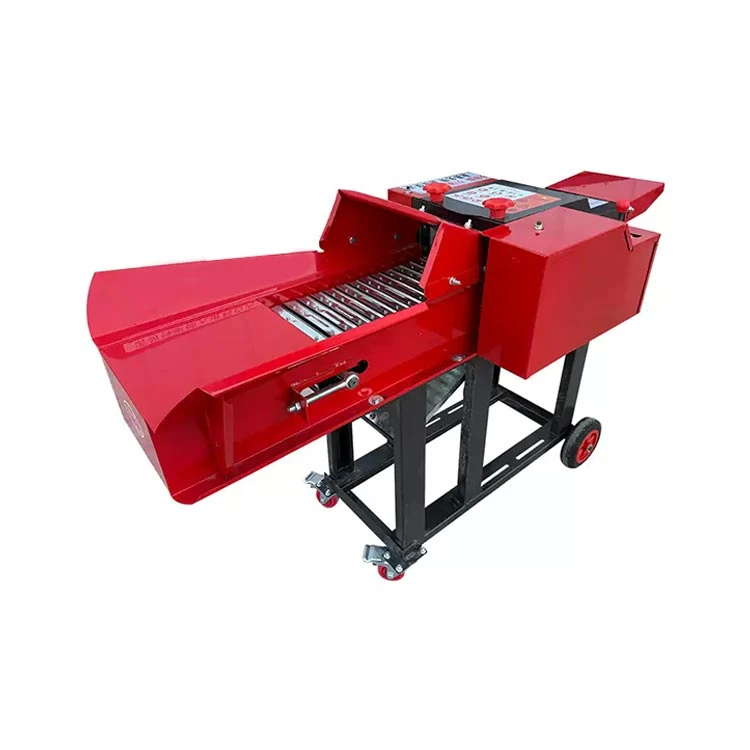
How Much Straw Can a Paddy Straw Cutter Process per Hour?
There is no standard processing capacity for a Paddy Straw Cutter, as its actual capacity is often affected by the following factors:
Machine model
Motor power
Straw moisture content
Straw type
Material density
Feeding speed
Cutting length
Number of blades
Operating method
For example, the product range includes small machines with capacities of approximately 400–500 kg/h, as well as machines with capacities of 1.5–4 t/h or even higher. Therefore, buyers should not select a machine based solely on its "maximum capacity." The actual processing capacity should be determined based on the specific material and required cutting length.
How to Maintain a Paddy Straw Cutter?
Check the Blades
Regularly check the sharpness and wear of the blades. Worn blades can affect cutting performance and may increase the machine load.
Clean the Cutting Chamber
Clean the remaining straw promptly after each operation to prevent material from accumulating over time.
Check the Transmission Components
Regularly inspect the belts, bearings, gears, and other transmission components. Adjust or replace them promptly if any abnormalities are found.
Check the Feeding Mechanism
Ensure that the feeding rollers or conveying mechanism operate properly to prevent material blockages and uneven feeding.
Lubricate Regularly
Maintain bearings, gears, and other components that require lubrication according to the machine's operating manual.
Check Safety Guards
Before starting the machine, ensure that the protective guards, feed inlet, and other safety devices are in proper working condition.
FAQ
Q: What Is a Rice Straw Cutter Used For?
A: It is mainly used to cut rice straw. Some models can also process corn stalks, wheat straw, forage, hay, silage, and other agricultural and livestock materials. The processed material is mainly used for livestock feeding, straw fermentation, and returning straw to the field.
Q: Can a Rice Straw Chopper Cut Wet and Dry Rice Straw?
A: Yes, but suitability depends on the machine design and material moisture content. For high-moisture materials such as wet rice straw, wet forage, or silage, it is recommended to choose a model specifically designed for wet materials to prevent material blockages.
Q: Can the Cutting Length of a Rice Straw Cutter Be Adjusted?
A: Some models support adjustable cutting lengths, usually by adjusting the number of blades, feeding speed, or transmission mechanism. Whether the cutting length can be adjusted depends on the specific machine model.
Q: What Is the Processing Capacity of a Rice Straw Cutter?
A: The machine's capacity depends on the model, power output, material type, moisture content, feeding method, and set cutting length. Specifications can vary significantly between different models.
Q: What Is the Difference Between a Standard Chaff Cutter and an Integrated Chaff Cutter and Kneader?
A: A standard chaff cutter only cuts straw into shorter pieces, while an integrated chaff cutter and kneader adds a kneading function to break up and soften the straw fibers, improving material palatability.
Q: Can a Rice Straw Chopper Process Corn Stalks?
A: Yes. Suitable models can process various crop residues, including corn stalks, wheat straw, rice straw, forage, and hay.
Q: What Power Sources Are Available for Rice Straw Cutters?
A: Depending on the model, rice straw cutters can be powered by an electric motor, diesel engine, or gasoline engine to suit different site power conditions.
Q: How Do You Choose a Rice Straw Cutter?
A: Machine selection mainly depends on six factors: the type of processing material, required processing capacity, target cutting length, whether a kneading function is required, available power conditions, and continuous operation or usage frequency.